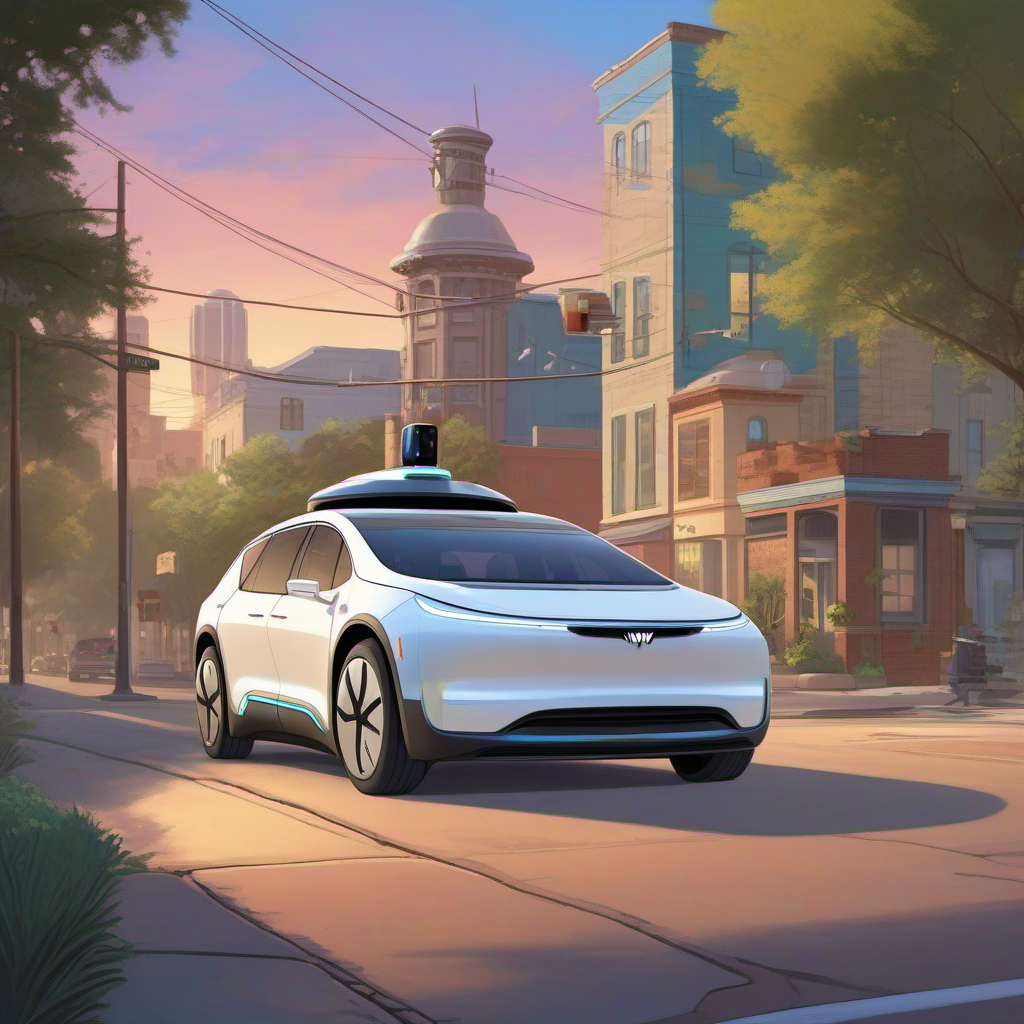
Waymo, the self-driving technology company under Alphabet Inc., is advancing its autonomous vehicle testing by launching driverless rides for employees in Austin. Starting tomorrow, Waymo’s autonomous vehicles will operate without a safety driver within a 43-square-mile area of the city. This move is a vital step towards expanding its service to the public and marks Austin as a key testing ground for autonomous technology in Texas.
## What Waymo’s Autonomous Vehicles Offer
Waymo’s vehicles are equipped with an array of sensors, including LiDAR, radar, and cameras, allowing them to navigate complex urban environments without human intervention. The current program will provide Waymo employees with rides throughout designated Austin neighborhoods such as Barton Hills and Riverside. The company aims to refine its technology by collecting data on local driving conditions and rider experiences, which will inform future public deployments.
Waymo has been incrementally rolling out its technology across various U.S. cities, with Phoenix being the first to host public rides. Austin’s introduction of driverless operations is a strategic extension of these efforts, leveraging the city’s reputation as a tech-forward community.
## Competition in the Autonomous Vehicle Arena
The autonomous vehicle industry is fiercely competitive, with established players like Tesla, Cruise, and Argo AI making headway in various capacities. Waymo, often considered a leader due to its early start and extensive testing miles, faces pressure to prove the consumer value of its technology beyond pilot programs.
In Austin, Waymo will need to demonstrate clear benefits over traditional ride-hailing services and address public concerns about safety and reliability. While its technology is advanced, the lack of a safety operator could be a sticking point for some consumers wary of fully autonomous experiences.
## Implications for Austin’s Tech Ecosystem
For Austin’s tech scene, Waymo’s expanded presence signifies both validation and opportunity. Founders and engineers in the region can glean insights into the operational and technical challenges of deploying autonomous vehicles in a bustling urban setting. Investors might see potential for partnerships or ancillary services that complement the autonomous vehicle ecosystem.
Waymo’s choice to test in Austin underscores the city’s status as a hub for tech innovation, offering fertile ground for startups and established firms alike. However, the true consumer value of Waymo’s service remains to be seen, particularly in terms of cost, convenience, and integration with existing transportation options.
As Waymo prepares to open its service to the public, the focus will be on refining its operations and building consumer trust. Austin founders and engineers should consider how they might leverage or integrate with Waymo’s technology, while investors might explore opportunities in supporting infrastructure or complementary tech solutions.