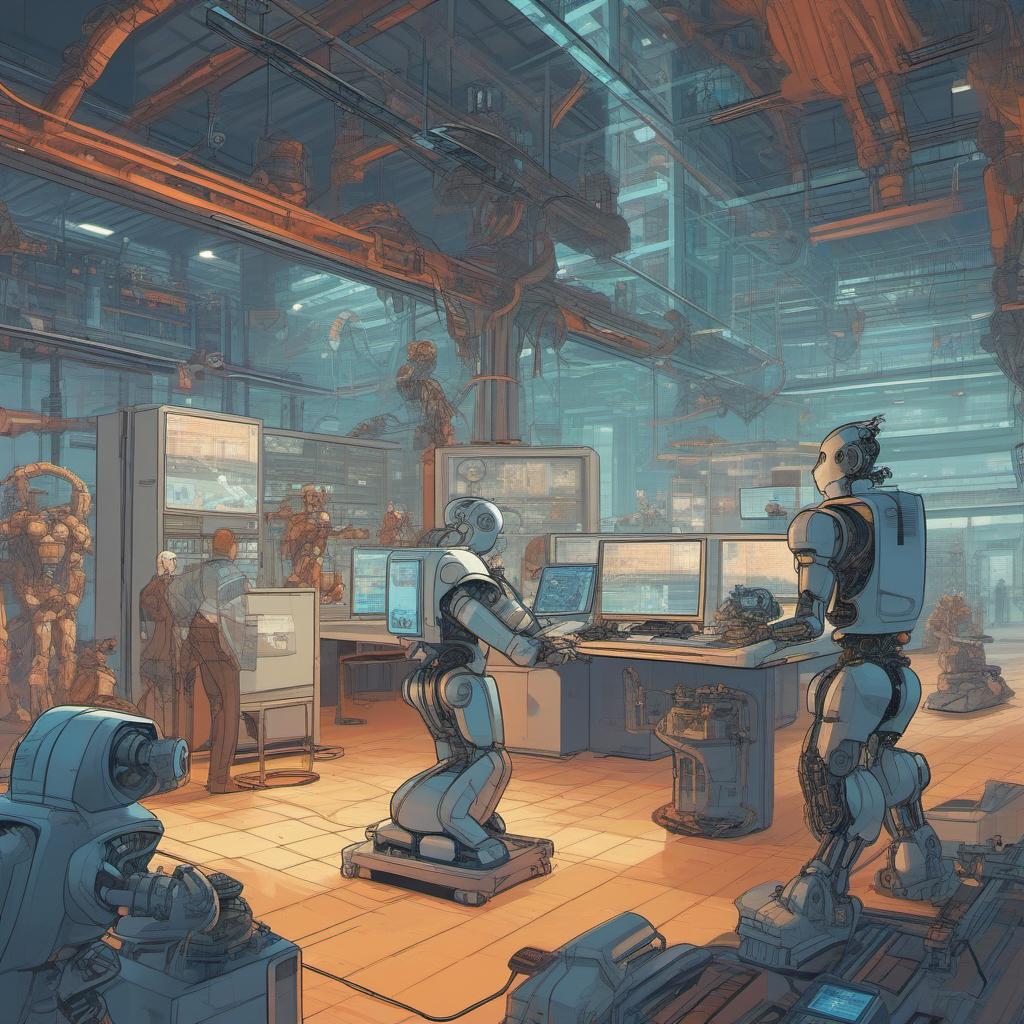
Chamath Palihapitiya, CEO of Social Capital and prominent AI investor, has dismissed the notion of an impending AI jobs apocalypse. On “The Axios Show,” he argued that while AI technology is set to transform industries, it is unlikely to render humans obsolete. This perspective is crucial for Austin’s tech community, which is deeply invested in AI development and its integration into various sectors.
## What AI Really Does
AI technology is designed to automate tasks, improve efficiency, and analyze data at unprecedented scales. Companies in Austin, like SparkCognition and CognitiveScale, are leveraging AI to enhance business processes and innovate within fields such as energy, healthcare, and finance. While automation might replace certain repetitive tasks, AI’s primary role is augmentative—enhancing human capabilities rather than replacing them outright.
Palihapitiya emphasizes that AI will multiply the tasks humans can perform rather than diminish them. This aligns with historical trends where technological advancements have led to shifts in labor rather than outright job destruction. For instance, the introduction of computers revolutionized industries but also created new roles and opportunities.
## Competitive Context
The fear of AI-induced unemployment is not new, but it is often overhyped. MIT researchers have characterized AI’s impact as a “rising tide,” suggesting a gradual shift rather than a sudden upheaval. This perspective is shared by other industry leaders, including OpenAI CEO Sam Altman, who revised his earlier stance that AI might decimate entire job categories.
In Austin’s competitive tech landscape, companies are adopting AI to stay ahead. However, there is also a growing recognition that human oversight, creativity, and problem-solving remain irreplaceable. As AI tools become more sophisticated, the demand for skilled professionals who can integrate and manage these systems is likely to increase, rather than decrease.
## Implications for Austin and Texas
For Austin’s founders, engineers, and investors, the real implication of AI’s evolution is the opportunity it presents. As AI reshapes industries, there is a significant potential for new startups to emerge, addressing niche markets or developing complementary technologies. Engineers and developers will find new challenges in designing AI systems that are both powerful and ethical.
Investors in Austin should consider the broader impact of AI on the workforce. While some jobs may be automated, the need for retraining and upskilling provides opportunities for educational tech companies and workforce development initiatives. The focus should be on investing in solutions that facilitate this transition, ensuring that the workforce is equipped for the jobs AI will create or transform.
## What’s Next?
As AI continues to evolve, Austin’s tech community must remain adaptable and forward-thinking. The emphasis should be on leveraging AI to drive innovation and efficiency while recognizing the ongoing need for human talent and creativity. For founders, engineers, and investors in Austin, the challenge is to harness AI’s potential responsibly, ensuring it serves as a tool for enhancing human capabilities rather than replacing them.
For an Austin founder, this means staying informed about AI developments and considering how they can be integrated into their business model to provide enhanced value without contributing to job displacement fears.