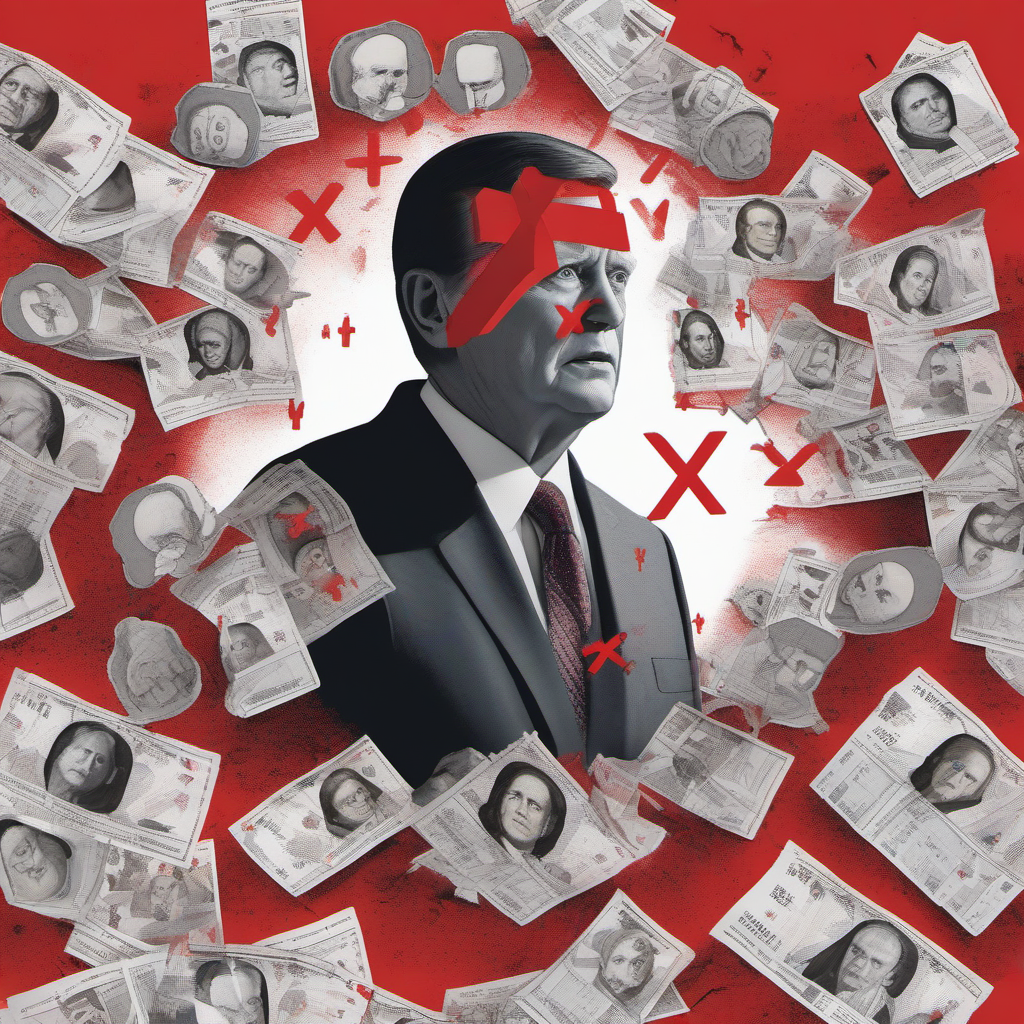
House Democrats are gearing up to introduce legislation aimed at regulating the use of artificial intelligence in political advertising if they regain control of Congress next year. This move comes in response to the surge of AI-generated content in the 2026 midterm elections, where the technology has been leveraged to amplify negative campaigning and produce deceptive ads. The legislation’s focus is crucial as it attempts to address the ethical and legal challenges posed by AI in shaping public perception and potentially influencing election outcomes.
## AI in Political Advertising: What It Really Means
AI-generated political ads have become more prevalent, introducing a new layer of complexity to campaign strategies. The technology allows for the creation of hyper-realistic videos and images that can mislead voters by portraying fabricated scenarios or statements. These AI tools can produce content that blurs the line between satire and misinformation, as seen in Kentucky’s 4th district, where AI was used to create a false narrative involving Rep. Thomas Massie.
The rapid advancement of AI technologies in this domain raises questions about the authenticity and reliability of political messaging. While AI can enhance campaign efficiency and outreach, its potential to misinform voters underscores the need for regulatory oversight. The proposed legislation seeks to mandate disclosure when AI is used in political ads, aiming to preserve transparency and trust in the electoral process.
## Competitive Context: The Battle for Ethical Campaigning
The use of AI in political campaigns is not limited to one party. While Republicans have been noted for their employment of AI-generated content, Democrats have also engaged in similar practices. This bipartisan utilization highlights a broader industry trend where political actors are exploring AI’s capabilities to gain a competitive edge.
The National Republican Senatorial Committee and various candidates have employed AI to create deepfake videos, while Democrats like Rep. Jasmine Crockett have been accused of using AI for crowd enhancement in ads. The bipartisan nature of AI adoption in political campaigns suggests that any regulatory measures will need to address the technology’s impact across the political spectrum.
## Implications for Austin and Texas Tech Communities
For Austin’s tech ecosystem, known for its robust AI and machine learning sectors, the potential regulation of AI in political advertising presents both challenges and opportunities. Local startups and established tech companies involved in AI development may need to navigate new compliance landscapes, potentially influencing product roadmaps and innovation trajectories.
Investors in the Austin area should remain vigilant about the regulatory environment’s evolution, as it could impact the valuation and growth prospects of AI-centric companies. Furthermore, engineers and developers working on AI technologies must consider ethical implications and transparency standards in their designs, ensuring their products align with emerging legal frameworks.
## Looking Ahead: What Austin Founders Need to Know
As the conversation around AI regulation in political advertising unfolds, Austin’s tech leaders should stay informed and engaged with policymakers to help shape sensible regulations that balance innovation with ethical considerations. Founders in Austin should anticipate potential shifts in policy that could influence their business models and strategize accordingly to adapt to a landscape where transparency and accountability in AI usage are prioritized.