Data centers are becoming a focal point for public discontent surrounding AI, even though most people opposed to these facilities don’t live near them. Recent polling by Milltown Partners reveals a growing sentiment against rapid data center expansion, with nearly half of respondents supporting a temporary ban on new constructions. This highlights a broader anxiety about AI’s impact on society, as many Americans fear they will bear the costs of an AI-driven future they neither want nor fully understand.
## What Data Centers Actually Do
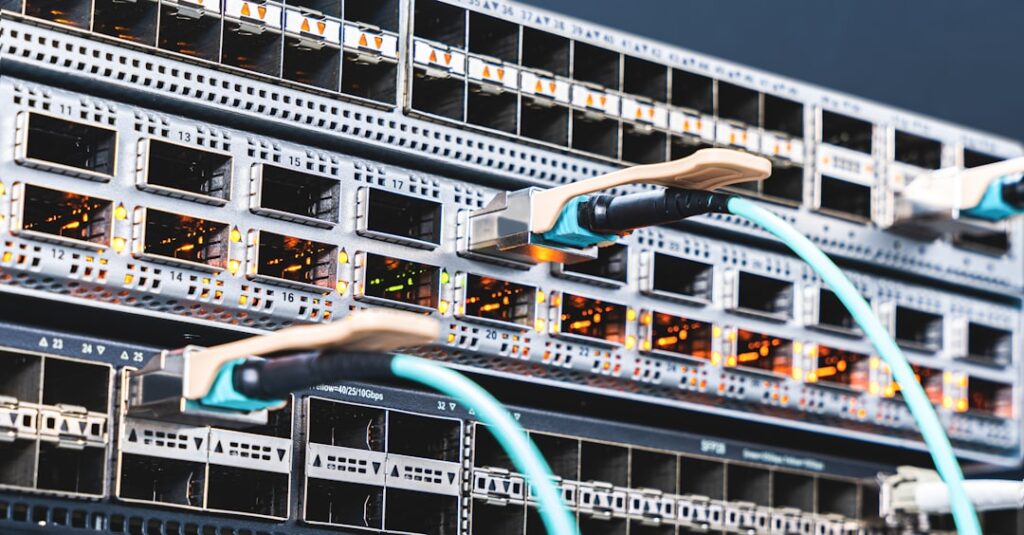
Data centers are crucial to powering the digital world, providing the infrastructure necessary to support cloud computing, AI applications, and vast amounts of data storage and processing. These facilities house servers and networking equipment that enable everything from streaming services to complex AI computations. As AI technologies advance, the demand for data processing power continues to climb, prompting tech companies to build additional data centers to meet these needs.
However, these centers require significant resources, including water for cooling and electricity for operations, often leading to environmental concerns. The rapid proliferation of data centers, especially in rural areas, has led to questions about their sustainability and the equitable distribution of their economic benefits.
## Competitive Context and Public Perception
The opposition to data centers reflects a broader skepticism about AI’s societal impact. According to Milltown Partners, only 8% of those opposing data centers live near one, suggesting that resistance stems more from general apprehension about AI than direct experience with these facilities. This sentiment is echoed across the political spectrum, with figures like Steve Bannon and Bernie Sanders voicing concerns over AI’s threat to traditional jobs.
Pew Research Center’s April survey underscores this unease, showing that two-thirds of planned data centers are in rural areas despite the majority being located in urban settings. The discrepancy points to a potential urban-rural divide in how the benefits and burdens of AI infrastructure are perceived and distributed.
## Implications for Austin and Texas Tech Stakeholders
For Austin’s tech community, the debate around data centers is more than theoretical. Texas has become a hotspot for data center construction, driven by its business-friendly environment and ample space. However, the growing backlash could influence local policy decisions and impact future developments.
Austin-based founders and engineers should be prepared for increased scrutiny regarding the environmental and social implications of their data center operations. Investors might need to consider the public sentiment and potential regulatory changes when evaluating the viability of data center projects. The push for a moratorium on new constructions could slow down projects, affecting timelines and profitability.
The conversation around data centers also presents an opportunity for Texas tech companies to lead in sustainable practices and transparent community engagement. By addressing concerns about water use, energy consumption, and local benefits, businesses can mitigate opposition and foster goodwill.
## What Happens Next
As the conversation around AI and data centers continues, stakeholders in Austin and beyond must navigate a complex landscape of public opinion and regulatory pressures. For local founders and engineers, this means staying informed about community concerns and exploring innovative solutions to address them. The tech community has an opportunity to shape the narrative by demonstrating the tangible benefits of data centers and AI, ultimately influencing how these technologies integrate into society.