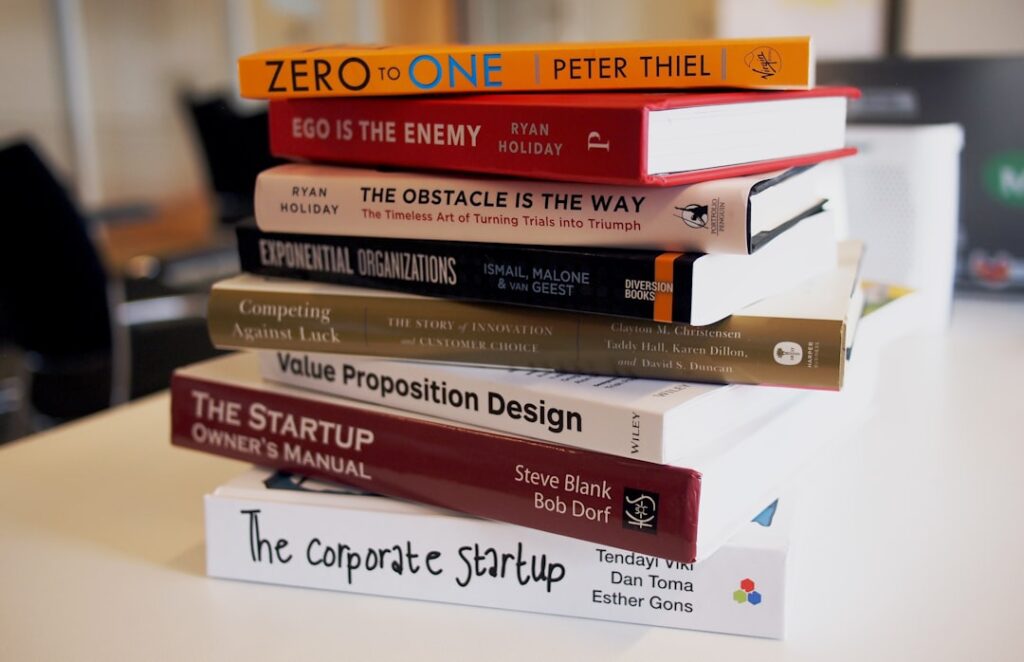
A diverse range of startups secured notable funding last month, including a previously bootstrapped custom metal manufacturer and a startup leveraging underwater geothermal energy. These deals reflect a variety of sectors gaining investor interest, providing insights into emerging trends that could influence Austin’s tech landscape.
## SendCutSend Secures $110M for On-Demand Manufacturing
Reno-based SendCutSend has raised $110 million in funding from investors such as the Collison brothers, Sequoia Capital, and Paradigm, reaching a valuation of $1 billion. This marks the first venture investment for the company, which specializes in on-demand custom-cut metal and fabrication services. CEO Jim Belosic, who initially funded the company through personal savings and loans, was persuaded to accept venture backing due to an influx of orders from AI-driven sectors like robotics and data centers.
SendCutSend’s platform is designed to meet the increasing demand for rapid prototyping and custom parts across various industries, including defense, aerospace, and electric vehicles. According to Paradigm’s Matt Huang, the need for quick-turnaround manufacturing solutions is becoming critical as technological advancements continue to accelerate.
## Competitive Landscape and Implications
SendCutSend operates in a competitive space with other on-demand manufacturing services. However, its recent funding and strategic backing by notable venture capitalists could give it a competitive edge. The investment highlights a broader trend of supporting infrastructure companies that serve the burgeoning AI and robotics sectors.
For Austin-based companies and startups, SendCutSend’s funding round underscores the potential for growth in the manufacturing tech sector. Austin’s thriving tech scene, with its mix of established firms and innovative startups, is well-positioned to benefit from similar investments in infrastructure that supports high-tech manufacturing and prototyping.
## Potential Impact on Austin’s Tech Community
The influx of capital into companies like SendCutSend could signal a shift in investment focus towards manufacturing technologies that support rapid innovation. For Austin founders and investors, this might mean exploring opportunities in the manufacturing tech space, particularly solutions that cater to the AI and robotics sectors.
As Austin continues to cement its status as a tech hub, the lessons from SendCutSend’s funding journey could inspire local startups to pursue strategic funding approaches tailored to their unique operational needs. Investors in the region may also look to diversify their portfolios by considering manufacturing and infrastructure startups as viable investment opportunities.
Looking ahead, the success of SendCutSend and similar companies could encourage more startups in the manufacturing sector to seek venture capital, potentially spurring further innovation and growth in Austin’s tech ecosystem. For Austin founders, the message is clear: there is a market for tech-driven manufacturing solutions, and the time to secure investment is now.