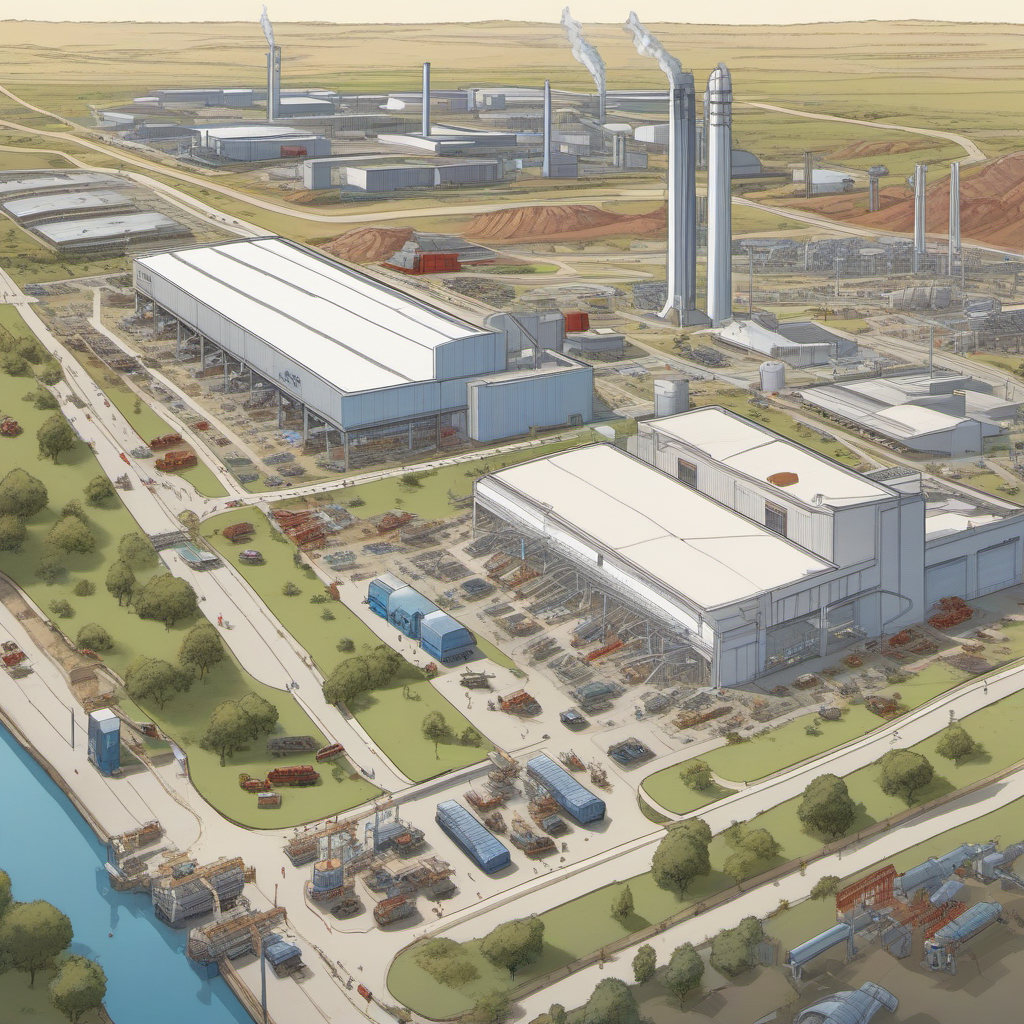
The U.S. battery manufacturing landscape is shifting gears as significant investments move onshore, aiming to bolster domestic electric vehicle (EV) production. This trend is crucial for reducing reliance on foreign battery suppliers and strengthening the U.S. position in the global EV market. For Austin’s tech scene, this could mean a surge of opportunities in battery tech and EV development, positioning the city as a pivotal hub in this evolving sector.
## What U.S. Battery Projects Aim to Achieve
Several high-profile battery projects are underway across the United States, each with its unique focus and scale. For instance, Tesla’s Gigafactory in Nevada continues to expand its production capabilities, while Ford is investing heavily in new battery plants in Kentucky and Tennessee as part of its BlueOval City initiative. These factories aim to meet the growing demand for EVs, with production targets reaching millions of battery packs annually.
Meanwhile, new entrants are joining the fray. Redwood Materials, founded by former Tesla CTO JB Straubel, is setting up a recycling operation aimed at creating a closed-loop supply chain for battery materials. This approach could significantly reduce the environmental impact of battery production and create a more sustainable model for the industry. These initiatives reflect a broader commitment to enhancing U.S. capabilities in battery manufacturing and innovation.
## Competitive Context: The Race to Dominate EV Supply Chains
The global race for EV dominance is intensifying, with countries like China currently leading in battery production capacity. The U.S. has been playing catch-up, but the recent influx of investments signals a strategic pivot. Companies like LG Energy Solution and SK Innovation are making substantial U.S. investments, including new plants in Michigan and Georgia, to capitalize on the growing market.
However, the competitive landscape remains challenging. Chinese manufacturers benefit from lower production costs and a mature supply chain. To compete, U.S. companies must focus on innovation, efficiency, and sustainability. The shift to onshore manufacturing could help mitigate supply chain disruptions, a lesson learned from the COVID-19 pandemic and geopolitical tensions. For Austin entrepreneurs, this competitive context underscores the importance of agility and strategic partnerships in navigating the evolving market.
## Implications for Austin and Texas Stakeholders
For Austin-based founders, engineers, and investors, the onshoring of battery production presents both opportunities and challenges. The city’s tech ecosystem is well-positioned to contribute to advancements in battery technology, particularly in areas such as energy storage solutions and smart grid integration. Local startups could find new avenues for collaboration with large manufacturers or explore niche markets within the broader EV supply chain.
Moreover, the increased focus on domestic production could lead to job creation and economic growth within Texas. The state’s existing infrastructure and business-friendly environment make it an attractive location for future battery manufacturing facilities. Investors in the region might see an uptick in venture capital interest, particularly in startups that can bridge gaps in the EV supply chain or offer complementary technologies.
## What’s Next for Austin’s Tech Community
As U.S. battery investments continue to unfold, the implications for Austin’s tech community are becoming clearer. The city stands to benefit from increased industry activity and the potential for new partnerships with major players in the EV sector. For Austin founders, the focus should be on identifying areas where their innovations can add value to the evolving battery landscape. Whether it’s through new materials, recycling technologies, or software solutions, the opportunities are ripe for those ready to seize them.