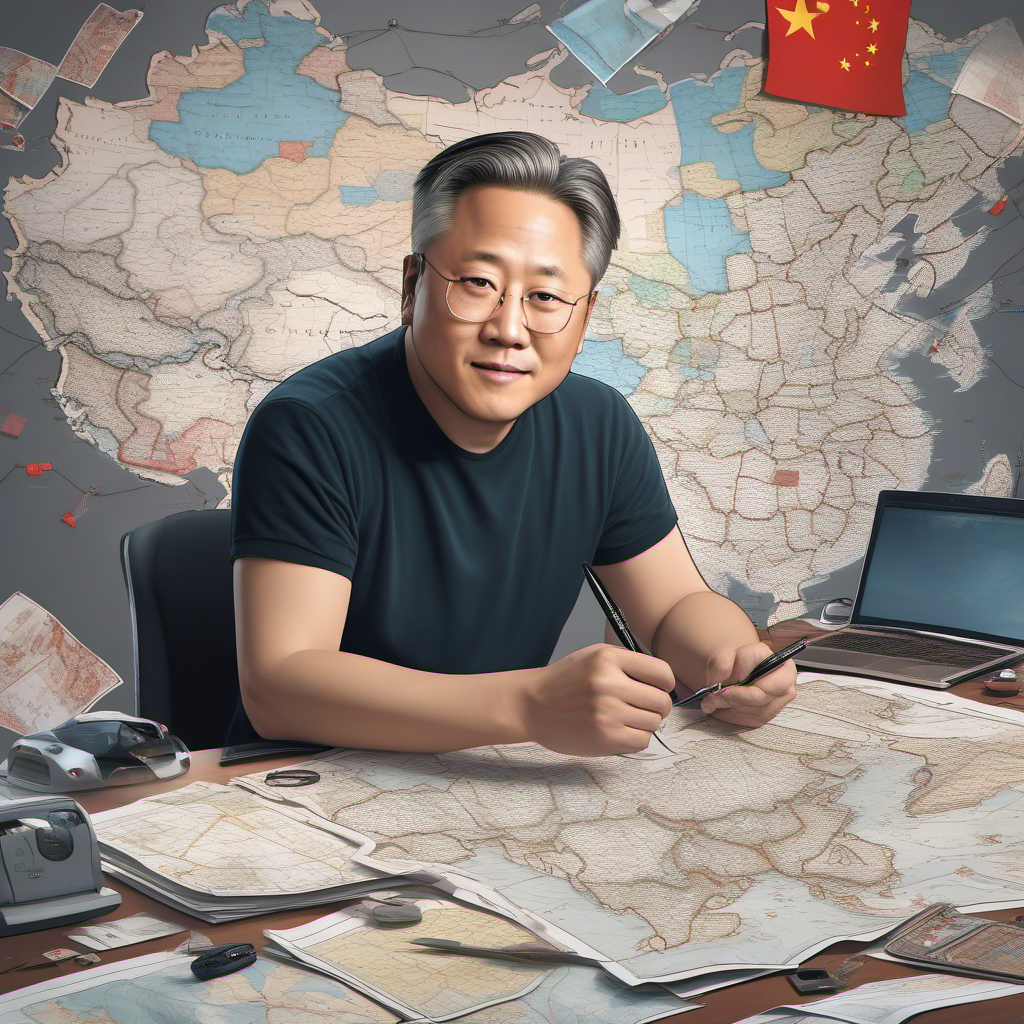
Nvidia CEO Jensen Huang has taken a firm stance in support of Chinese open-source AI models amid rising concerns from U.S. officials and companies. Huang’s perspective challenges the current narrative that these models pose a threat to American AI leadership. He asserts that banning such models could stifle innovation and growth in the AI sector, which is crucial for technological advancement and economic development.
## What Nvidia’s CEO Says About Chinese AI Models
Jensen Huang, leading Nvidia, the top AI chipmaker globally, argues that American companies should have the freedom to utilize Chinese open-source AI models. This position stands in direct opposition to some U.S. policymakers and industry leaders who are pushing for restrictions. Huang believes these models can expand the AI market by providing initial exposure, thus driving demand for more sophisticated, closed-source solutions where companies like OpenAI and Anthropic thrive.
Huang dismisses fears of Chinese models overpowering U.S. companies, suggesting that the market can benefit from a variety of AI offerings. He emphasizes that open-source models can serve as a stepping stone for users who may later seek premium services, thereby broadening the consumer base and fostering competition in the AI landscape.
## Competitive Context: The Kimi K3 Model
The release of the Kimi K3 model by Moonshot AI, based in Beijing, has stirred anxiety in the tech sector, reminiscent of the DeepSeek incident in early 2025. Kimi K3 is characterized by its near-frontier performance, affordability, and open-source nature, which allows developers to download and customize it freely. This development has led to a decline in Nvidia’s stock value, as investors fear that these efficient models might disrupt the current AI infrastructure market.
However, Huang contends that the market’s reaction is misguided. He argues that the widespread availability of affordable models like Kimi K3 will actually increase the demand for Nvidia’s hardware solutions. As more businesses and individuals adopt AI technologies, the need for robust AI infrastructure, including chips and data centers, will grow, potentially benefiting Nvidia and similar companies.
## Implications for Austin and Texas Tech Scene
For Austin’s tech entrepreneurs, engineers, and investors, Huang’s comments shed light on the evolving dynamics of the AI market and its potential opportunities. The debate over open-source AI models underscores the need for a nuanced understanding of the technology’s role in innovation and security. Austin, as a burgeoning tech hub, is well-positioned to leverage these developments by fostering a collaborative environment that embraces diverse AI solutions.
Founders in Austin might find new opportunities in developing complementary technologies or services that enhance the utility of open-source AI models. Engineers could explore novel applications that integrate these models, while investors might consider the long-term benefits of supporting companies that align with this open approach.
## What Happens Next
As the discourse around Chinese open-source AI models continues, the implications for policy and industry practices will unfold. Nvidia’s stance could influence other tech leaders and policymakers, potentially shaping future regulations and market dynamics. For Austin’s tech community, staying informed and adaptable will be key to navigating the changing landscape and capitalizing on new opportunities in the AI space.