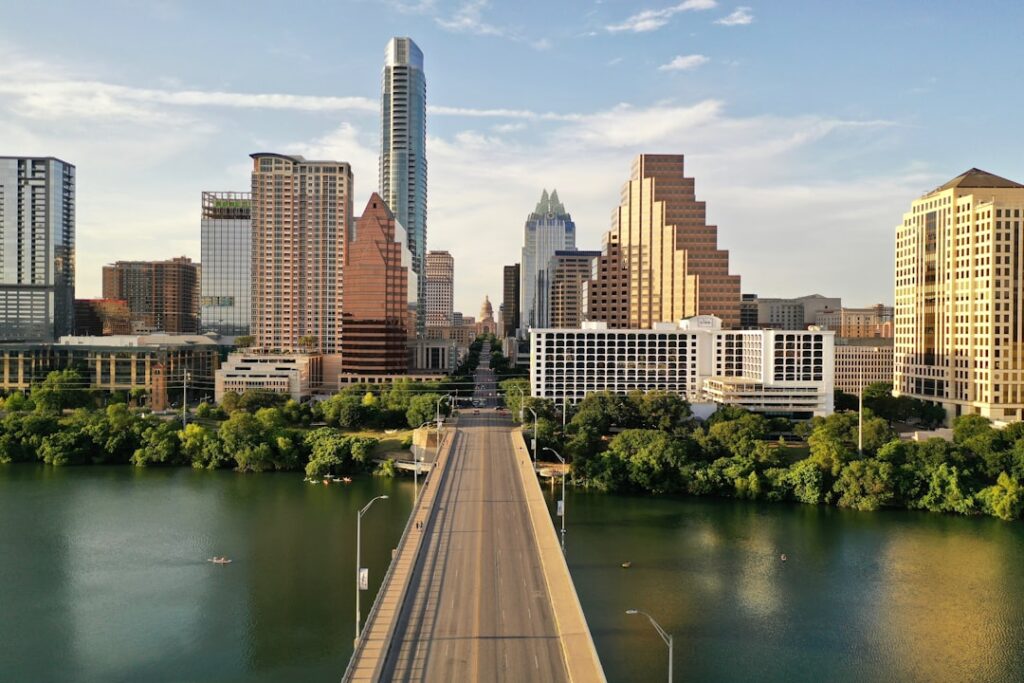
Austin’s tech landscape continues to attract significant attention, as evidenced by Partly, an AI company serving the automotive industry, announcing the relocation of its global headquarters from New Zealand to Austin. The move underscores Austin’s persistent allure as a tech hub, even amidst challenges like affordability and infrastructure. With companies like NXP expanding their footprint and UT Austin making strides in semiconductor workforce development, Central Texas remains a focal point for talent and capital.
## Partly’s Relocation and NXP’s Expansion
Partly’s decision to move its headquarters to Austin highlights the city’s growing influence in the tech sector. Specializing in AI solutions for the automotive industry, Partly aims to leverage Austin’s robust tech ecosystem to drive its next phase of growth. The relocation is expected to bring jobs and opportunities, further enriching the local tech community. Meanwhile, NXP, a major player in the semiconductor industry, is preparing for a new campus in Northwest Austin, which will bolster its operations and contribute to the region’s economic vitality.
## Competitive Context and Industry Dynamics
Austin’s appeal lies in its unique blend of resources, including a skilled workforce, top-tier research institutions, and a supportive business environment. Despite the competitive pressures from other tech hubs like Silicon Valley and New York, Austin continues to attract companies seeking a collaborative and innovation-driven atmosphere. However, challenges remain, including rising living costs and the need for improved infrastructure. Addressing these issues will be crucial for maintaining Austin’s competitive edge and ensuring sustainable growth.
## Implications for Founders, Engineers, and Investors
For Austin’s tech community, the influx of companies and talent presents both opportunities and challenges. Founders can capitalize on the expanding network of potential collaborators and investors. Engineers stand to benefit from increased job prospects and the chance to work on cutting-edge projects. Investors will find a dynamic environment ripe with startups poised for growth. Yet, to fully harness these opportunities, stakeholders must focus on fostering connectivity and collaboration across the ecosystem.
As Austin continues to attract attention from global companies, the city’s tech community must remain proactive in addressing the challenges that accompany growth. For local founders, this means engaging in meaningful conversations and partnerships that drive innovation and community development.