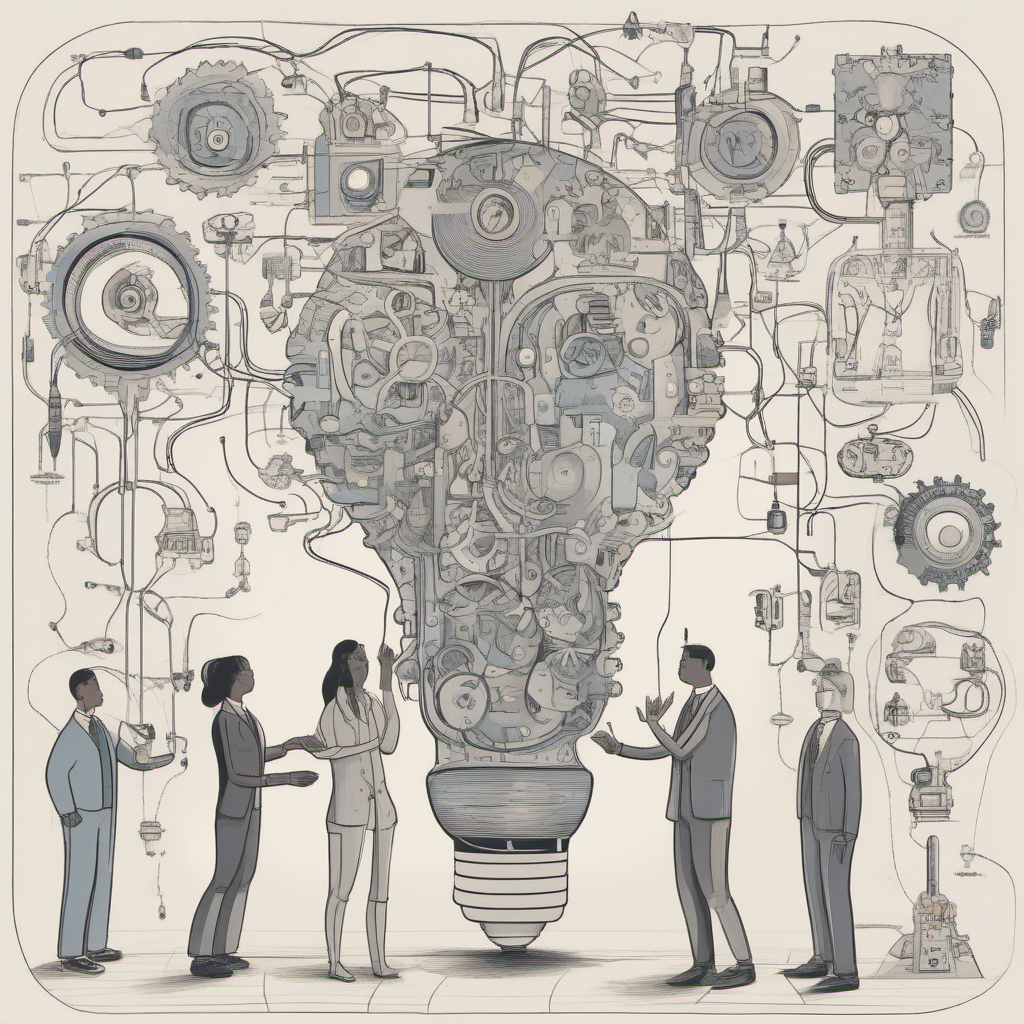
As AI continues to evolve and integrate into business operations, the spotlight is on organizations to ramp up AI literacy among their teams. However, the real edge may not lie solely in mastering AI tools but in enhancing human-centered business skills. As companies in Austin and beyond navigate this technological shift, the emphasis on communication, leadership, and collaboration could distinguish industry leaders from followers.
### Understanding the Dual Focus: AI and Human Skills
The push for AI literacy is understandable; businesses require their workforce to grasp the potential of new technologies and incorporate them effectively. From automating routine tasks to providing data-driven insights, AI has become a crucial component of modern business strategy. Yet, while AI can streamline processes and support decision-making, it cannot substitute the nuanced human skills that drive organizational success.
Effective communication, empathetic leadership, and robust collaboration are not merely “soft” skills but essential competencies that determine a company’s ability to thrive. As AI becomes more ubiquitous, the ability to connect with people and foster strong relationships will gain prominence. The future will favor those who seamlessly integrate technological proficiency with human insight.
### Competitive Context: Why Austin is Poised for Success
Austin has cemented its reputation as a dynamic hub of innovation and entrepreneurship. The city’s growth and diversity in talent present a unique opportunity to lead in this dual approach of AI and human skills development. However, maintaining its status as a top technology center will require more than technical prowess; it demands a concerted effort to enhance the community aspect of innovation.
The competitive edge for Austin lies in creating environments that encourage cross-sector interaction and collaboration. This involves bridging the gaps between different industries and ensuring that new talent integrates into the wider business community. Encouraging leaders to build relationships beyond their immediate networks and fostering trust across the ecosystem are vital steps toward sustaining Austin’s competitive advantage.
### Real Implications for Austin/Texas Founders and Investors
For Austin-based founders and investors, the implications are clear: investing in the human side of business is as crucial as investing in technological advancements. Building a more connected tech community involves creating open and accessible gatherings, facilitating interactions between senior leaders and emerging talent, and promoting collaboration across startups, enterprises, universities, and civic groups.
Organizations like the [Austin Technology Council](https://austintechnologycouncil.org) can play a pivotal role in weaving these community threads. By promoting inclusivity and engagement, they can help strengthen the ecosystem and ensure that the city’s growth benefits all stakeholders. For investors, supporting companies that prioritize human skills as much as technical skills could yield higher returns in a landscape where effective communication and trust are invaluable.
### What Happens Next
As AI continues its trajectory of advancement, the challenge for Austin’s tech community is to balance technological innovation with human connection. This means fostering environments that not only nurture AI expertise but also cultivate leadership, empathy, and collaboration. For an Austin founder or engineer, this dual focus presents an opportunity to lead by example, building companies that are not only tech-savvy but also deeply human-centric. By doing so, they can contribute to a thriving, resilient tech ecosystem that sets Austin apart.