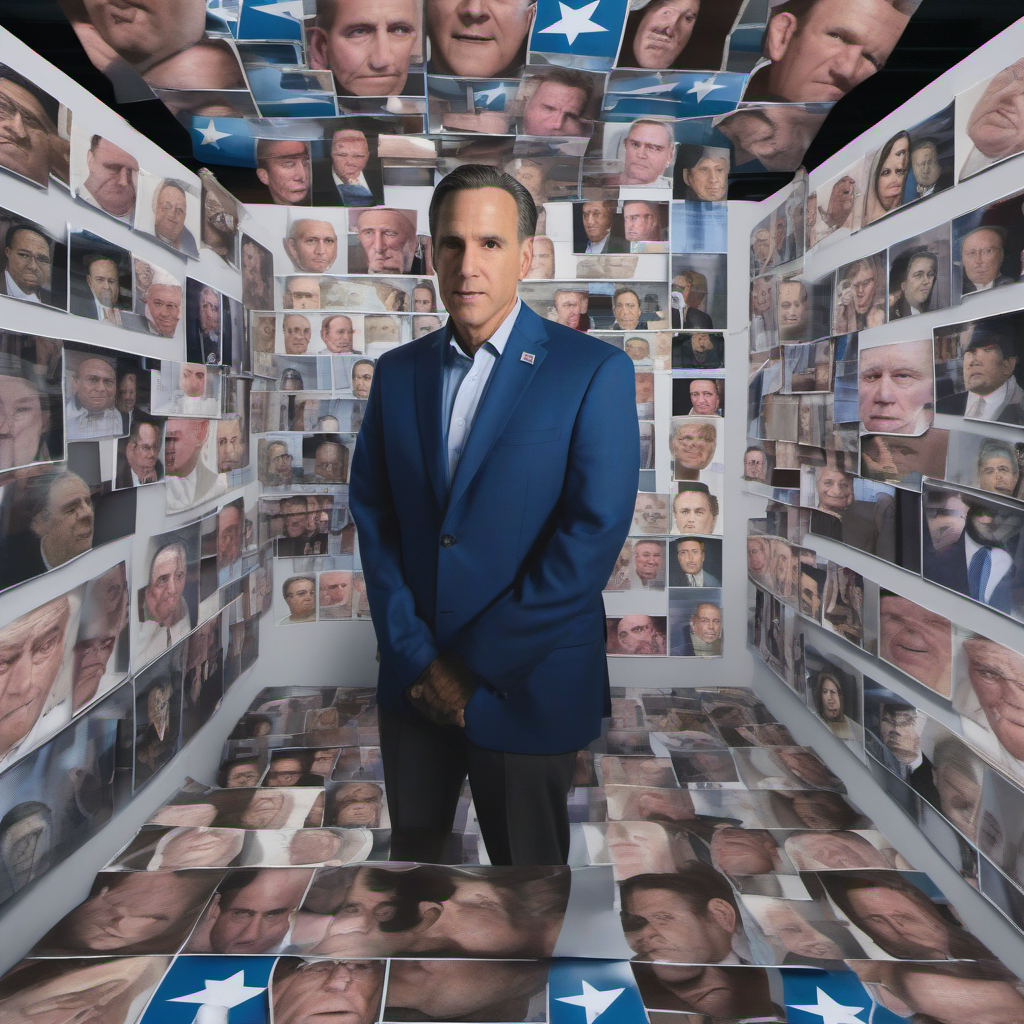
A surge in AI-generated deepfakes is reshaping the landscape of American political campaigns. This burgeoning trend is particularly evident in Texas, where political ads blur the line between reality and fiction, challenging voters’ ability to discern fact from fabrication. As these AI-driven tactics gain traction, they raise questions about the ethical implications and future regulations surrounding digital political advertising.
### What AI Deepfakes Bring to the Table
AI deepfakes involve the use of artificial intelligence to create hyper-realistic media content, often portraying individuals saying or doing things they never actually did. In the realm of political campaigns, this technology has been harnessed to craft persuasive narratives that can dramatically affect public perception. For instance, the recent attack ad against Texas Democratic Senate nominee James Talarico exemplifies this phenomenon, depicting him in fictional scenarios that aim to sway voter opinion.
The use of AI in political ads is not new, but its prevalence and sophistication have skyrocketed. These AI-generated ads can manipulate video, audio, and images to create convincing portrayals, often without any disclosure of their artificial nature. This lack of transparency can mislead voters, making it challenging to distinguish between genuine footage and AI fabrications.
### Competitive Context and Regulatory Concerns
The competitive landscape of political campaigns has intensified with the adoption of AI deepfakes. In Texas, both Republican and Democratic campaigns have embraced this technology, utilizing it to varying degrees. While some campaigns voluntarily disclose their use of AI, there is currently no obligation to do so, leaving voters in the dark about the authenticity of the content they consume.
Democrats have expressed intentions to impose regulations on AI-generated content if they regain control of Congress. Such regulations could mandate disclosure of AI usage in political ads, ensuring that voters are informed about the nature of the content they are viewing. However, until such measures are in place, the unregulated use of AI deepfakes poses a significant challenge to the integrity of political discourse.
### Real Implications for Austin and Texas Stakeholders
For Austin’s tech community, the rise of AI deepfakes presents both opportunities and challenges. Startups and tech companies specializing in AI may find increased demand for their expertise as political campaigns seek to leverage cutting-edge technology. However, this trend also highlights the need for ethical considerations and potential regulatory frameworks to guide the responsible use of AI in political contexts.
Investors in Austin’s tech scene should be mindful of the evolving landscape, considering both the potential for growth in AI-related ventures and the ethical implications that accompany such innovations. The tech community’s involvement in shaping policy discussions around AI regulation could position Austin as a leader in responsible AI development and deployment.
### What Happens Next
As AI deepfakes continue to influence political campaigns, stakeholders in Austin and beyond must navigate the complexities of this evolving technology. For founders and engineers, the focus should be on developing ethical AI solutions and engaging in policy discussions that promote transparency and accountability. Investors should remain vigilant, balancing opportunities for growth with the broader societal impact of AI innovations. As the political landscape adapts to these new realities, Austin’s tech community will play a crucial role in shaping the future of AI in politics.